Select Page

About Us

The CHINNOVA hub is an integrated climate change and health hub, which serves as a vital resource at the intersection of environmental science and public health in West and Central Africa.

This innovative hub is designed to address the multifaceted challenges posed by climate change and its direct and indirect effects on human health. By bringing together experts from various disciplines—such as climatology, epidemiology, urban planning, and social sciences—the hub fosters collaboration and drives research, policy development, and community engagement.

At its core, the hub focuses on understanding how climate change influences health outcomes. For instance, rising temperatures can exacerbate respiratory issues, while extreme weather events may lead to injuries and mental health crises. By analyzing these connections, the hub aims to develop evidence-based strategies to mitigate health risks and promote resilience among vulnerable populations. Moreover, the hub serves as a platform for learning, education and outreach.

It offers workshops, seminars, and community programs to raise awareness about the health impacts of climate change, empowering individuals and communities to take proactive measures. By integrating local knowledge and experiences, the hub ensures that its initiatives are culturally relevant and contextually appropriate. In addition to research and education, the hub plays a crucial role in policy advocacy. It collaborates with governmental and non-governmental organizations to influence policy decisions that prioritize both environmental sustainability and public health. Through data-driven insights, the hub aims to guide investments in infrastructure, healthcare, and community services that enhance resilience to climate-related health threats.

Ultimately, this integrated climate change and health hub is more than just a research facility; it is a dynamic space for innovation, collaboration, and advocacy, dedicated to creating a healthier and more sustainable future for all.

We Believe in A Collaborative Approach

Interdisciplinary Teaching and Learning

This aspect of our approach emphasizes the integration of diverse fields of study, encouraging educators and students to work together across disciplines. By combining perspectives from various subjects, learners can develop a more holistic understanding of complex issues. Collaborative projects, team teaching, and shared resources foster critical thinking and creativity, preparing students to tackle real-world challenges.

Joint Research and Innovation

Collaboration in research encourages partnerships among academia, industry, and community organizations. By pooling resources and expertise, stakeholders can address pressing problems more effectively. This collective approach not only enhances the quality of research but also ensures that innovations are relevant and applicable to community needs, leading to sustainable solutions.

Community Engagement and Co-Creation

Actively involving community members in the educational process and research initiatives fosters a sense of ownership and relevance. This can include participatory projects where community voices shape the learning objectives or research questions. Such engagement ensures that initiatives are culturally sensitive and responsive, ultimately strengthening the ties between educational institutions and the communities they serve.

Real People. Real Impact.

The collaborative approach across teaching and learning, research and innovation, and community engagement can lead to significant real-world impacts:

  1. Enhanced Learning Outcomes: Interdisciplinary teaching fosters critical thinking and problem-solving skills, preparing students to tackle complex challenges. This approach not only increases student engagement but also promotes a deeper understanding of material, leading to improved academic performance and readiness for the workforce.
  2. Innovative Solutions to Community Issues: Joint research initiatives often produce innovative solutions tailored to the specific needs of communities. By combining resources and expertise, stakeholders can address local challenges—such as public health crises, environmental sustainability, or economic development—more effectively. This can lead to the implementation of programs and policies that drive positive change and enhance quality of life.
  3. Strengthened Community Relationships: Active community engagement fosters trust and collaboration between educational institutions and local populations. When community members are involved in shaping research and educational initiatives, it creates a sense of ownership and empowerment. This not only leads to more relevant and impactful programs but also strengthens social cohesion and civic participation, encouraging a culture of collaboration that benefits all stakeholders.

CHINNOVA Advisory Committee

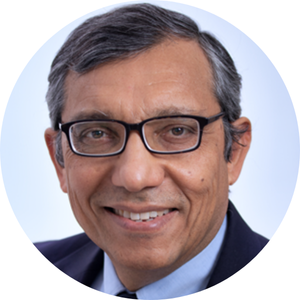
Professor Zulfiqar A. Bhutta

Professor Zulfiqar A. Bhutta

Chair of the Committee

Profile of Professor Zulfiqar A. Bhutta
Dr. Zulfiqar A. Bhutta PhD, MBBS, FRCPCH, FAAP, FRS, is the Distinguished University Professor and Founding Director of the Institute for Global Health and Development and the Centre of Excellence in Women and Child Health, at the Aga Khan University. He also holds the Robert Harding Inaugural Chair in Global Child Health at the Hospital for Sick Children, Toronto, and is the Co-Director of the SickKids Centre for Global Child Health. He holds adjunct professorships at several leading Universities globally including the Schools of Public Health at Johns Hopkins (Baltimore), George Washington University (DC), Boston University School of Public Health, University of Alberta as well as the London School of Hygiene & Tropical Medicine.  He is a designated Distinguished National Professor of the Government of Pakistan and Chairs the Board of Governors of the National Institute of Health, Pakistan. Dr. Bhutta was a member of the Independent Expert Review Group (iERG) appointed by the UN Secretary General for monitoring global progress in maternal and child health MDGs (2011-2015). He represented the global academic and research organizations on the Global Alliance for Vaccines and Immunizations (Gavi) Board and served on its Evaluation Advisory Committee. Dr. Bhutta was also the co-Chair of the Global Countdown for 2015 and 2030 Initiatives from 2006-2017, co-Chair of the Maternal and Child Health oversight committee of World Health Organization (WHO) Eastern Mediterranean Region (EMRO) and a technical member of the high-level UN Health and Human Rights committee. He has served as co-Chair of Knowledge and Science committee of the Partnership for Maternal, Newborn & Child Health (PMNCH) and was a member of the Independent Expert Group producing the Global Nutrition Reports since its inception in 2014 to 2021. Dr Bhutta was a member of the WHO Strategic Advisory Committee for Vaccines (SAGE) from 2010-15 and is a member of STAGE, the strategic and technical advisory group for maternal, child and adolescent health of WHO. He is currently the Executive Director of the NCD Child Secretariat based at the Hospital for Sick Children, Toronto.  Dr. Bhutta was educated at the University of Peshawar (MBBS) and obtained his PhD from the Karolinska Institute, Sweden. He has published ten books, over 150 book chapters, and 1275 indexed publications to date. He is one of the most highly cited academics in global health (H index 203, i10 index 985, >275,000 citations) and has ranked among the top 1% of Highly Cited Researchers globally by the Web of Science consecutively since 2013. He has been a leading member of major Lancet series reflecting his advocacy in global health, whose evidence-based interventions have strengthened global Health Research Policy. Most outstanding is his work on the “first thousand days” of life. He leads large research groups based in Canada, Pakistan & Central Asia with a special interest in research synthesis, scaling up evidence-based interventions in community settings and implementation research in fragile health systems. He led the recent Lancet series on optimizing child and adolescent health (2022) which provides a blueprint for post COVID-19 recovery for children globally.  Dr. Bhutta has received numerous awards over the years, most recently being recognized by the Senate of Canada with its Canada 150 Medal for contributions to Global Child Health, admitted to the National Academy of Medicine and elected as a Fellow of the Royal Society. He was awarded the Roux Prize 2021 for his work on evidence-based public health impact and is the recipient of the 2022 John Dirks Canada Gairdner Global Health award. He is ranked among the top 100 medical scientists globally by Research.com.   Recently, he received the Henry G. Friesen International Prize in Health Research, which was established in 2005 by the Friends of Canadian Institutes of Health Research (FCIHR), and recognizes exceptional innovation by a visionary health leader of international stature. 

Read more here: https://scholar.google.com/citations?user=m39BqMwAAAAJ&hl=en

Yolande Berton-Ofouémé

Yolande Berton-Ofouémé

Member

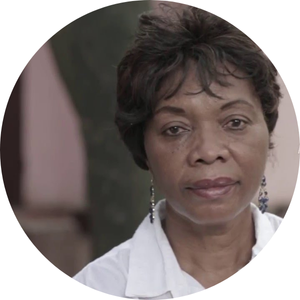
Profile of Yolande Berton-Ofouémé
Yolande Berton-Ofouémé is a professor of geography at the Université Marien Ngouabi in Brazzaville, Republic of Congo. She has 34 years of teaching experience and 46 years of experience in geographical consultancy, specializing in the analysis of agricultural sectors and environmental dynamics. Since July 2021, she has been Vice-President of the Université Marien Ngouabi. She has also held various management positions, including Director of Cabinet to the President’s Personal Representative for Higher Education (2010-2021). Prof. Berton-Ofouémé obtained a PhD in geography from the University of Bordeaux III, exploring urban vegetable supply in Brazzaville, and specializing in market gardening in urban areas. She has held several key positions, including Director of Academic Affairs and Coordinator of doctoral training in geography at Marien Ngouabi University (2009-2018). She has also been a CRESS and the AUF Scientific Council member since 2019. Yolande Berton-Ofouémé has conducted numerous studies focusing on food security, urban governance, and sustainable development in various countries in Africa, Asia, and the Caribbean. She coordinated the “Populations and Environmental Risks” project in Brazzaville, Abidjan, and Lomé (2015) and has published several books and articles on urbanization and the dynamics of agricultural sectors in developing countries. Yolande is also involved in mentoring young researchers through the Association des Jeunes Chercheurs Associés pour le Développement (JCAD-Congo) and other women’s networks such as Femmes de Demain Association and the Réseau des Femmes Francophones, which promote women’s rights and development. She has a good knowledge of French and an average level of English. Her computer skills include Word, Excel, PowerPoint, Publisher, and QGIS. Her areas of interest include the interaction between population and environment, food security, urban governance, and socio-economic change in rural areas, as well as gender issues.

Professor Isaac Luginaah

Professor Isaac Luginaah

Member

Profile of Professor Isaac Luginaah

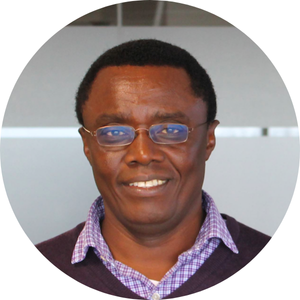
Isaac Luginaah is a Distinguished University Professor at Western University in Canada. This honorific title is conferred on a competitive basis to full tenure track professors who have truly exceptional records in teaching, in research, scholarly or creative work, and in service. He was a Canada Research Chair in Health Geography from 2007 to 2018. His scholarly work in North America and Africa has made field-defining theoretical and methodological contributions, addressing impacts of climate change, environmental hazards and vulnerabilities in population health. His research in North America (Canada and USA) focuses on the geospatial health effects of environmental exposure, and Aboriginal health. In sub-Saharan Africa where Prof. Luginaah’s work spans several countries (Ghana, Kenya, Rwanda, Tanzania, Malawi and Nigeria), his research focuses on Health Inequalities, HIV/AIDS and food security among vulnerable populations. He has led multi-million dollar projects on food security, population, environment and health. In July 2023, Professor Luginaah had won over 25 million dollars’ worth of research grants. It is therefore understandable that his work has been highly recognised. In 2011, he was honoured as a Paul Harris Fellow by Rotary International in recognition of his “service above self” in his community and globally. From 2012-2014, Prof. Luginaah was the Editor of the African Geographical Review and was honoured by the American Association of Geographers – Africa Specialty Group for his Leadership role on the journal. In 2014, he was inducted into the College of the Royal Society of Canada as an inaugural member. This College is Canada’s first national system of multidisciplinary recognition for the emerging generation of Canadian intellectual leadership. The RSC is the recognized pre-eminent body of independent scholars, researchers and creative people in Canada. Fellows comprise a collegium that can provide intellectual leadership for the betterment of Canada and the world. The Members of the RSC are Canadians and Permanent Residents who have demonstrated the highest level of achievement.

In 2017, he was honoured by the American Association of Geographers with the Kwadwo Konadu-Agyemang Distinguished Scholar Award for his contributions to African Geographic Scholarship. Prof. Luginaah is a member of International Council for Science (ICSU) scientific committee for Health and Wellbeing in the Changing Urban Environment. A prolific academic, he has over 350 publications in high ranking scholarly journals and has been very successful in mentoring graduate students (he has trained 25 PhDs and more than 40 MA/MSc students). In July 2024, his H-index and i-10 index on Google Scholar are 59 and 235, respectively.  In September 2023, he was inducted into the Royal Society of Canada, also known as the Academies of Arts, Humanities, and Sciences of Canada, which is the senior national, bilingual council of distinguished Canadian scholars, humanists, scientists, and artists. Prof. Luginaah completed his PhD in Geography (Health/Medical) at McMaster University, Canada, in 2001. Prior to that, he had obtained an MSc in Computer Science and Applications from the Queen’s University of Belfast, Northern Ireland and a Master of Environmental Studies from York University, Toronto, Canada.

Read more here: https://scholar.google.com/citations?user=vmFa_KYAAAAJ&hl=en&oi=ao

Professor Hortense Atta Diallo

Professor Hortense Atta Diallo

Member

Profile of Professor Hortense Atta Diallo
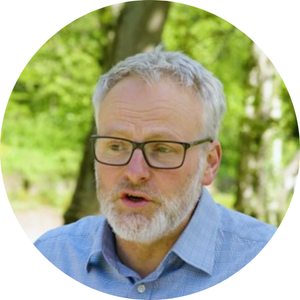
​Professor Hortense ATTA DIALLO is a distinguished scholar with immense experience and a remarkable track record. She holds an MSc in Plant Pathology and a Ph.D. in Plant Sciences from the University of Arkansas, Fayetteville, in 1994 and 1998, respectively. She is a full Professor of Plant Pathology at the University Nangui ABROGOUA (UNA), where she held several positions: Technical Advisor to the President of the university (2007-2009) and Director of the Plant Production Research Pole (2014-2019). She is the immediate past Vice President of External Relations of UNA, a position she has held from 2016 to 2023. She is the head of the Plant Health Research Unit at UNA. Since 2020, she is a member of the Scientific Council of the Fund for Science, Technology and Innovation (FONSTI) in Cote d’Ivoire. She is also a member of the International Scientific Advisory Board of the Lagos State University Africa Centre of Excellence for Innovative and Transformative STEM Education (LASU-ACEITSE). In 2021, Prof. Hortense was appointed to serve on the WASCAL Scientific Advisory Committee (SAC). With expertise in Quality Assurance, Prof. Hortense has coordinated, from 2022 to 2024, the implementation of the first UNA performance contract signed with the Ministry of Higher Education and Scientific Research as part of a Project to support the Development of Higher Education (PADES) funded by the World bank. Prof. ATTA DIALLO served as a member and later the Chair of the Scientific Advisory Panel of the One Planet Fellowship, an initiative of the African Women in Agricultural Research and Development (AWARD) and the Agropolis Foundation, before being appointed as a member of the AWARD Steering Committee. Since June 2024 she is serving as the Vice Chair of that committee. Professor ATTA DIALLO played a key role in the establishment of the Competence Center in Digital Education (C-CODE) at UNA, which focuses on developing digital governance; harnessing digital technology to improve teaching and learning both online and in-person. Professor ATTA DIALLO has also expertise in Gender. She did supervise the elaboration of the Gender profile and Gender policy of the University Nangui ABROGOUA. She has conducted several project and institution evaluations.


Professor Craig Hutton

Professor Craig Hutton

Member

Profile of Professor Craig Hutton

Prof. Craig Hutton, a Professor of Sustainability Science, was appointed as the founding director for the new Sustainability and Resilience Institute at the University of Southampton in 2023. The Institute has been established to catalyse a step change in our research in this area, to position sustainability as a cornerstone of the university’s research and societal impact. It will increase engagement and collaboration across the university to address the most challenging problems facing our society and provide solutions to these challenges through research, innovation and expertise. has worked at Southampton for 23 years in the field of sustainability, more specifically the interface between social, economic and environmental development and the tools and methods by which these elements can be considered and integrated. Working in over 20 countries in Asia and Africa, key areas of research have included climate and environmental change impacts, livelihood and migration consequences of disasters such as flood, drought and riverbank erosion on vulnerable communities living near the largest river systems in the world (Ganges, Brahmaputra, Mekong) as well as the tools and methods of engaging government and local communities in decision making processes. He has worked with multiple UN agencies, World Bank, UKRI and government funding in both research and enterprise roles. More recently he has been developing workshop tools that allow governments, institutions and organisations to consider strategic decision making in and around areas of scenarios of the future and sustainability and is applying these looking at health and wellbeing in young people in the UK.


Read more here: https://scholar.google.co.uk/citations?user=Vu5hHj0AAAAJ&hl=en

Professor Pekka Nuorti

Professor Pekka Nuorti

Member

Profile of Professor Pekka Nuorti

Pekka Nuorti is a Professor of epidemiology and Director of the International Doctoral Program in Epidemiology in the Health Sciences Unit, Tampere University. His expertise and research interests include epidemiology and prevention of infectious diseases, vaccine-preventable diseases, outbreak investigations, epidemiologic methods, evaluating prevention program impact, registry-based studies and developing evidence-based public health policy. He is a Part-time Chief Physician with the Department of Health Security, Infectious Diseases and Vaccines Unit, Finnish Institute for Health and Welfare (THL) in Helsinki. Before joining the faculty at Tampere University, he worked at the National Center for Immunization and Respiratory Diseases, U.S. Centers for Disease Control and Prevention (CDC) in Atlanta, GA. where his roles in research leadership and vaccine policy-development included serving as the CDC lead staff for the Pneumococcal Vaccines Workgroup of the Federal Advisory Committee on Immunization Practices (ACIP), U.S. National Surveillance of pneumococcal disease, and collaborating with academic investigators in designing and implementing a novel research agenda to evaluate the public health impact of pneumococcal conjugate vaccination program in the United States. His professional experience in epidemiology, public health practice and global health includes Communicable Disease Control and Childhood Immunization Programs with the World Health Organization (WHO) in the Western Pacific Region, the Epidemic Intelligence Service (EIS) of the CDC and Preventive Medicine Residency at the California State Department of Health. At the Finnish National Public Health Institute his responsibilities have included a wide range of communicable disease surveillance, prevention and outbreak response activities. His research fields and expertise include epidemiology and prevention of vaccine-preventable diseases, evaluating prevention program impact, outbreak investigation and response, registry-based studies and developing evidence-based public health policy. His expertise in surveillance and epidemiology of vaccine-preventable diseases, immunization policy and global public health research training and capacity building is internationally recognized. He has served in several international scientific advisory boards, review panels and committees, including the CDC, the European Centre for Disease Prevention and Control (ECDC) and WHO.


Read more here: https://scholar.google.fi/citations?user=Fsu5YJ8AAAAJ&hl=en%20%20Recent%20publications

Professor Moses J. Bockarie

Professor Moses J. Bockarie

Member

Profile of Professor Moses J. Bockarie

Professor Moses John Bockarie is the Director of International Cooperation (Africa) and Head of Africa Office of the European and Developing Countries Clinical Trials Partnership (EDCTP). He is an adjunct Professor at Njala University, Bo, Sierra Leone and honorary Professor in the University of Cape Town, South Africa. Prof. Bockarie, a Fellow of the Royal College of Physicians of Edinburgh, is a specialist in the field of neglected tropical diseases and an internationally experienced researcher. He has worked in many countries in Africa, Europe and the Pacific region, and in the United States of America.  He is the 2016 recipient of the Royal Society of Tropical Medicine and Hygiene Mackay Medal for outstanding work in tropical health. Professor Bockarie has served as Chair of the WHO/TDR Scientific Working Group for Vectors, Environment and Society and member of the WHO-AFRO Regional Programme Review Group for Neglected Tropical Diseases. He currently serves on WHO Regional Expert Advisory Committee on Traditional Medicine for COVID-19. He was Director of the Centre for Neglected Tropical Diseases and Professor of Tropical Health Sciences at the Liverpool School of Tropical Medicine (LSTM), United Kingdom from 2008 to 2016. As Director of CNTD he had direct oversight for research and implementation activities in 12 project countries working closely with national ministries of health, academic institutions and several implementation partners. He brings onboard experience on a wide range of diseases including malaria, lymphatic filariasis, onchocerciasis and other NTDs. He has worked in many countries in Africa, Europe, United States and the Pacific region and is a member of the Executive Group of the Global Alliance to Eliminate Lymphatic Filariasis and WHO panel of Experts on parasitic infections. He has over 116 publications in peer-reviewed journals including first authored papers in the Lancet and New England Journal of Medicine. He obtained his Bachelor’s degree in Zoology from the University of Sierra Leone and a Masters and PhD in tropical health sciences from the Liverpool School of Tropical Medicine. Prof. Bockarie worked on various research programmes on malaria and other neglected diseases in Sierra Leone, before taking up an appointment at the Papua New Guinea Institute of Medical Research, becoming Principal Research Fellow in Medical Entomology and Head of the Vector Borne Disease Unit in 1996. In 2005 he joined the Centre for Global Health and Diseases, Case Western Reserve University, Cleveland Ohio, USA as Visiting Professor, where he continued his research on neglected diseases until his appointment in Liverpool in 2008.  

Read more here: https://www.researchgate.net/profile/Moses-Bockarie-2

Meet the Chinnova Team

Professor Frederick Ato Armah

Professor Frederick Ato Armah

Project Principal Investigator

Director of Research and Programmes, Association of African Universities Secretariat, Trinity Avenue (Next to NCTE, NAB and NAPBTEX), East Legon, P. O. Box AN 5744, Accra, Ghana

email: faarmah@aau.org

Profile of Professor Frederick Ato Armah
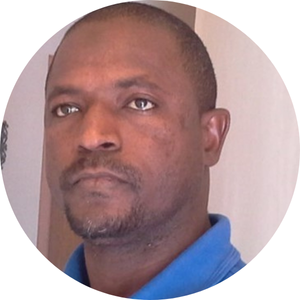
Frederick Ato Armah is a Professor of Environmental and Sustainability Science and is currently the Director of Research and Programmes at the Association of African Universities (AAU). He has taught at all levels of the educational ladder—basic, secondary and tertiary, since 1995. He has extensive critical leadership skills and experience in institutional development and project management. Over the past 20 years, Prof. Armah has designed, managed and evaluated a variety of development projects across Africa and beyond. He has managed several multi-million-dollar research grants and worked with national, regional and international stakeholders to improve management tools and policy, undertake research, conduct assessments, and to help resolve environmental, health and social issues. He holds several certificates in key areas including University Leadership and Management Development; Building African Entrepreneurship Universities in the Context of Responsible Innovations and Sustainable Development; Project Planning and Proposal Development; and Transforming Leadership and Governance. Prof. Armah has consulted widely for several national and international organisations including USAID, Cadmus Group, the World Bank, African Capacity Building Foundation, Swedish International Development Cooperation Agency (SIDA), German Development Bank (KfW), and the United Nations Environment. Being a prolific author, he has published extensively in peer-reviewed journals of international repute. He was an Ontario Trillium Scholar in Canada between 2011 and 2015. In 2020, Prof. Armah won the Association of American Publishers Awards for Professional and Scholarly Excellence (PROSE) in Environmental Sciences, together with co-authors of the Sixth Edition of the UN Global Environment Outlook Report. From April 2019 to July 2022, Prof. Armah served as the Director of the Directorate of Research, Innovation and Consultancy at the University of Cape Coast, Ghana, from April 2019 to July 2022. He is a Senior Research Fellow of the Earth Systems Governance initiative of the International Science Council and a member of the Intergovernmental Science Policy Platform on Biodiversity and Ecosystem Services (IPBES) where he serves as a nexus assessment scoping expert. Prof. Armah’s contributions to environmental and sustainability science, coupled with his leadership and management prowess, have significantly impacted both academic and policy domains.

Read more here: Frederick Ato Armah

Dr. Seyni Salack

Dr. Seyni Salack

Co-investigator (co-PI)

Senior Research Scientist, Regional Thematic Coordinator – Risks and Vulnerability to Climate Extremes, WASCAL, CSIR Office Complex, 6 Agostino Neto Road Airport Residential Area, PMB CT504, Accra, Ghana,

email: salack.s@wascal.org

Profile of Dr. Seyni Salack
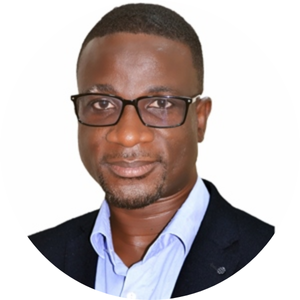
Dr. Seyni Salack is a Senior Research Scientist and the Regional Thematic Coordinator on Risks and vulnerability to climate extremes at the WASCAL Competence Centre in Burkina-Faso. He holds a PhD in climate and climatic impacts, and a master’s in Atmospheric Physics – Atmospheric, Oceanography and management of semi-arid areas. Before joining WASCAL, he was a visiting research associate at the International Research Institute, IRI/Earth Institute of the Columbia University (USA). He gained great experiences from the   AGRHYMET Regional Centre (Niger), and the Institute of Meteorology and Climate Research, as well as the Atmospheric Environmental Research of the Karlsruhe Institute of Technology (Germany). He has over eighteen years of experience in implementing climate adaptation, environmental, and resilience projects, conducting research and climate services, providing training and capacity building, and undertaking consultancy work across Africa. His fields of expertise include Multihazard Risk information, Multihazard early warning systems, anticipatory action and disaster risk reduction, climate variability & energy management nexus, near-surface weather/climate observation systems, rainfall estimation using microwave links, agricultural meteorology research and extensions, verification of numerical weather predictions, seasonal-to-sub-seasonal forecasts, and statistical methods in climate data analysis. He is the author and co-author of many publications in international peer-reviewed journals, some of which can be accessed via this link – (https://scholar.google.com/citations?user=8zl00asAAAAJ.  Additionally, Dr. Salack has  given conference talks at hundreds of high level organized conferences, engaged in university lectureship, produced two Atlases (on the Sahel, Benin & Niger) and reviewed many students’ theses (https://www.researchgate.net/profile/Seyni_Salack). He has developed several projects funded and implemented under his technical and managerial scrutiny between 2016 and 2021 including the APTE-21 project (budget: €230,000; 2016-2018, IRD/MAEA), CIREG project (“Climate Information for Renewable Energy Generation”, which he served as the Co-PI.  Additionally, he was the team lead for Work Package 2, which had a budget of €505,800; 2018-2021; funding from ERA4CS/BMBF) and PI & Lead Coordinator for UPSCALERS project (“UPscaling Site-Specific Climate-smart Agriculture and Land-use practices to Enhance Regional Production Systems in West-Africa, with a budget: $1,197,000 – AUC, Research Grant No AURG II-1074-2016, 2018-2021). Furthermore, he was involved in the implementation of the I-CHANGE project (“Individual Change of HAbits Needed for Green European transition”, with a budget of 4.9 million Euro, EUC/EUH2020, 2021-2025), and the Network of Centres of Excellence in Disaster Risk Reduction (NoE, budget: 1.400,000 USD, UNDRR, 2023 & 2024). He is multilingual and has proficiency in French, English, and Arabic.


Read more here: Seyni Salack

Professor David Teye Doku

Professor David Teye Doku

Co-investigator (Co-PI)

Department of Population and Health, Faculty of Social Sciences, College of Humanities and Legal Studies, University of Cape Coast (UCC), Cape Coast, Ghana.

Email: ddoku@ucc.edu.gh

Profile of Professor David Teye Doku
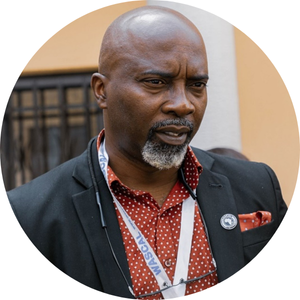
Prof. David Teye Doku holds a Doctor of Philosophy (PhD) degree in Public Health. He is a Professor at the Department of Population and Health, University of Cape Coast (UCC), Ghana, where he teaches courses in Epidemiology and Public Health, including Social Epidemiology, Epidemiology, Advanced Epidemiology, Urban Health and Global Health at both undergraduate and postgraduate levels. Prof. Doku is also the Director of the Directorate of Research Innovation and Consultancy (DRIC), UCC, Ghana and an Adjunct Professor (Docent) in Public Health at the Tampere University, Finland.  Prof. Doku is an Associate Editor of the reputable BMC Public Health journal (Global Health Section). He has over sixty scientific publications (with considerable non-self-citations) in reputable journals. His main research interest includes: adolescents’ health; health inequalities, maternal, neonatal and child health in low and- middle-income countries; tobacco control; and reproductive health. In addition, Prof. Doku has produced a number of PhD graduates as a principal supervisor or a co-supervisor and has served as an external examiner for a couple of PhD dissertations in Africa, Europe and Australia. He has also successfully supervised several Masters theses. Prof. Doku is an external examiner for the University of Ghana, Legon, i.e. the School of Public Health, The Centre for Migration Studies and the Department of Geography and Resource Development.  Prof. Doku has won a number of external research grants, consultancy contracts and personal awards. He has research and academic networks in several countries, including South Africa, Norway, Canada, USA, Germany, Sweden and Finland.   

Read more here: David Teye Doku

Prof. Kehinde O. Ogunjobi

Prof. Kehinde O. Ogunjobi

Co-investigator (Co-PI)

Deputy Executive Director of WASCAL, WASCAL, CSIR Office Complex, 6 Agostino Neto Road Airport Residential Area, PMB CT504, Accra, Ghana,

email: ogunjobi.k@wascal.org

Profile of Prof. Kehinde O. Ogunjobi
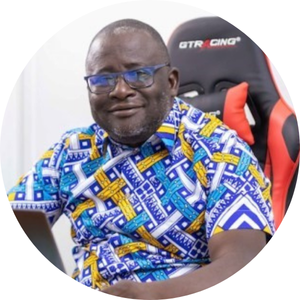
The Deputy Director of WASCAL and Director of the WASCAL Competence Centre, Prof. Kehinde O. Ogunjobi is a Meteorologist, Environmental and Climate scientist with vast experience in air quality and aerosols meteorology.  His research focuses on air quality and its effects on health, and climate modeling. He has published over eighty journal articles in the field of Meteorology and climate science. He is a Fellow of the International Center for Theoretical Physics, Trieste, Italy, and also a Fellow of the Alexander von Humboldt Foundation, Germany. Professor Ogunjobi’s research outcomes has impacted government policy at national and international levels through participation in collaborative projects with BMBF, WHO, WAHOO, World Bank, UNDP, ECOWAS, and the Federal Government of Nigeria.  Prof. Ogunjobi has an excellent knowledge of national and regional policies and strategies on climate change and health, energy, agriculture, ecosystem management, and poverty reduction as well as sustainable development.

Read more here: Kehinde Olunfunso Ogunjobi

Dr. Offianan Andre Toure

Dr. Offianan Andre Toure

Co-investigator (co-PI)

Directeur de Recherche, Département Parasitologie Mycologie, Institut Pasteur de Côte d’Ivoire,

Email: andre_offianan@yahoo.fr

Profile of Dr. Offianan Andre Toure
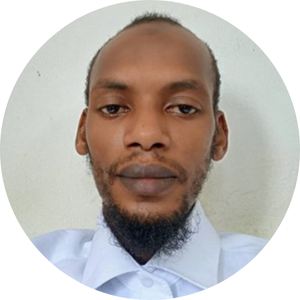
Dr. Offianan Andre Toure has been an integral part of the Department of Parasitology & Mycology at the Institut Pasteur of Côte d’Ivoire (IPCI) since 2003, and he currently serves as the head of this department. He holds a Ph.D. in Parasitology and Mycology from the University of Félix Houphouët-Boigny of Côte d’Ivoire.

Dr. Toure’s distinguished 23-year research career has been dedicated to advancing our understanding of malaria through clinical trials, immune response studies, molecular epidemiology, placental malaria research, and investigations into schistosomiasis, cysticercosis, and helminthiasis. His recent work has increasingly addressed the intersection of climate change and health, particularly concerning malaria. As the leader of the climate change and health research theme at the Pasteur Institute in Côte d’Ivoire, Dr. Toure plays a pivotal role in the Pasteur Network’s epidemic response preparation program, collaborating closely with the Rockefeller Foundation.

Dr. Offianan Andre Toure is a respected member of several prestigious scientific societies, including the WorldWide Antimalarial Resistance Network (WWARN), the African Society of Parasitology (SOAP), and the Ivorian Society of Parasitology and Mycology (SIPAM). From 2019 to 2022, he served as Chairman of the Parasitology & Mycology Society of Côte d’Ivoire. Dr. Toure has an impressive publication record, authoring and co-authoring over 150 papers in high-impact journals. In recognition of his outstanding contributions to research and innovation, he was awarded the 3rd Prize of Excellence in Côte d’Ivoire in 2023.


Read more here: Andre Offianan Toure

Dr. Ibrahim Aba’a

Dr. Ibrahim Aba’a

Co-investigator (Co-PI)

Department of Economics, Omar Bongo University, Gabon.

Email: abaaibrahim@gmail.com

Profile of Dr. Ibrahim Aba’a

Dr. Ibrahim Aba’a is a distinguished scholar with a doctorate in Environmental Economics.  He is currently a researcher at the International Centre for Research in Economics and Management for Development (CIREGED) at the Université Omar Bongo in Gabon. His extensive academic background includes a bachelor’s degree in Applied Macroeconomics, two master’s degrees in Economics and Macroeconomics, and a PhD in Economics, focusing on Environmental Economics. His areas of expertise include but are not limited to Econometrics, Climate Change, Green Finance, Sustainable Development, among others.

Since 2019, Dr. Aba’a has been imparting knowledge to undergraduate students in the Economics Department at Omar Bongo University. Alongside his teaching responsibilities, he serves as an Educational Coordinator and Pedagogical Supervisor, focusing primarily on Econometrics. From 2020 onward, he has expanded his teaching portfolio to include undergraduate courses in Algebraic Mathematics, Digital Finance, Descriptive Statistics, Financial Mathematics, and Micro and Macroeconomics at several institutions, such as Université Internationale de Libreville, Université Libreville Nord, Université Privée Islamique du Gabon, BGFI Business School, and Institut International de Technologie et de Gestion (IITG). In 2022, Dr. Aba’a began teaching master’s level courses in Environment and Sustainable Development, Environmental Economics, and Natural Resources Economics at the Institut des Sciences et Techniques Appliquées (ISTA) and Université de Bissegue.

CHINNOVA Project Staff

Dr. Safiétou SANFO

Dr. Safiétou SANFO

M&E

Profile of Dr. Safiétou SANFO

Dr. Safiétou SANFO (Female), an agricultural economist and climate change impact analyst is a Senior Scientist and Regional Thematic Coordinator on Rural-Urban and Cross Border Migration at the WASCAL Competence Center. She also acted as the research coordinator of the  WASCAL Competence Center. She holds a PhD in Economics from Paris 1, Sorbonne University, France.  Her research interests lie in climate change economics. In recent years, she has focused on impact evaluation using bio-economic and mathematical programming modeling, circular economy, governance, and institutions. She is the author and co-author of many publications in peer-reviewed international journals (https://scholar.google.com/citations?user=V1Y1UCoAAAAJ&hl=fr, https://www.researchgate.net/profile/Safietou-Sanfo.)

Dr. Safietou Sanfo is an associate professor affiliated to the University of Thomas Sankara, Burkina Faso. She has 12 years of experience teaching at high-level universities and Center of Excellence. She attended several international conferences with a focus on climate change economics, risk assessment and mitigation, and Migration. Safietou Sanfo has received several research grants and professional awards, including the AVhi, the LIRA climate change and SDGs, and the ADA/Research Meets Africa Awards. Acting as Principal Investigator (PI) or Co-investigator (Co-I), she has developed several projects funded and implemented between 2012 and 2024. Such as: The Fprof project (Co-I); $ CA 16,000,000, 2022-2025 Global Affair Canada; One CGIAR ‘’Nature+” project (Co-I); $US 1,5 000,000 USD, CGIAR, 2021- 2024,  Individual Change of Habits Needed for Green European transition, I CHANGE project (Co-I) EU, GREEN BUILDERS project (LIRA2030-GR09/18)  (PI), LIRA € 90,000, RAMSES II project (Co-I) € 1, 215 000  CIREG project (Co-I) European ERA4CS Joint Call for Transnational Collaborative Research Projects €2,774,880; 2016-2019; UPSCALLERS project, (Co-PI) € 958,600, AUC, 2018-2021; REPSAHEL project consultancy. State of the art on the vulnerability of ecosystems and populations to climate change in Burkina Faso, Mali, Mauritanie, Niger, Nigéria, Senegal and Tchad. € 8,000 and APTE-21 project, 229,000, 2016-2018 (FSP AGRICORA/IRD). She is actively involved in several research and development projects on climate change-related issues. She is an Associate Editor of « Emerging Science Journals, Life Science» Change and Adaptation in Socio-Ecological Systems (CASES), De Gruyter Open (April 2014 to present), and a Member of the Advisory Board of the Swedish international program of training on Climate change, mitigation, and adaptation. She will work at the M&E unit of the CHINNOVA project.


Dr. Felicia Nkrumah Kuagbedzi

Dr. Felicia Nkrumah Kuagbedzi

Knowledge Management

Profile of Dr. Felicia Nkrumah Kuagbedzi

Dr. Felicia Nkrumah Kuagbedzi (Female), knowledge management and communication expert at the Association of African Universities (AAU) Secretariat, is a seasoned communications and publications professional with a versatile career spanning higher education, nonprofit organizations, and the private sector. Over a span of 13 years, she has accumulated valuable experience in various Communications and Publications roles, including positions at the Association of African Universities (AAU) for 9 years, Plan International Ghana for 2 years, and the Ghana Manganese Company as well as prior roles at AngloGold Ashanti Limited for 3 months. She holds a Master of Arts (M.A) in Communication Studies from the University of Ghana, complemented by a bachelor’s degree in information studies and Linguistics (1st Class Division) from the same institution. Having worked at the Directorate of ICT, Communications and Knowledge Management of AAU, for close to 10 years, she joins the team with a wide array of experience in various fields and from various projects.
Throughout her career, she has had to engage with several multinational partners, representing her employers in various roles. Such roles have seen her engaging with teams from institutions such as the International Research Development Council (IDRC), OBREAL Global, the African Academy of Sciences, the World Bank, Carnegie Corporation of New York and Education Sub-Saharan Africa, among others. She will work at the Knowledge Management Unit of CHINNOVA project.

Dr. Man-Koumba SOUMAHORO

Dr. Man-Koumba SOUMAHORO

Research Programme

Profile of Dr. Man-Koumba SOUMAHORO
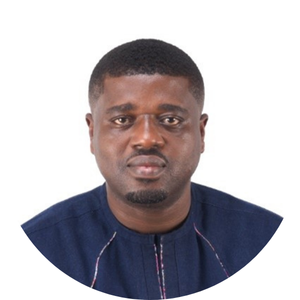
Dr. Man-Koumba SOUMAHORO (Female) is a Medical Researcher and currently the Head of Epidemiology and Population Health Department at the Institut Pasteur de Côte d’Ivoire. She obtained her Doctorate in Public Health in 2010, with interest in Epidemiology of Infectious Diseases as a research fellow at Pierre-et-Marie-Curie University in France. She collaborates and coordinates joint research projects in Côte d’Ivoire of which some are from the Pasteur Network International where she precisely works on cysticercosis, whooping cough and covid-19. Dr. Soumahoro also has many years of training in clinical research and epidemiology as well. She was admitted to the Qualified Research Professors CAMES List in 2021. Since then, she has been the deputy representative for Côte d’Ivoire at the EDCTP General Assembly. Read more here: https://scholar.google.com/citations?hl=fr&user=H-Ps048AAAAJ. Dr. Soumahoro will be working in the CHINNOVA Research Programme (CRP) unit.

Mr. Frank Adjei

Mr. Frank Adjei

Finance/Accounting

Profile of Mr. Frank Adjei

Mr. Frank Adjei (Male) is a Chartered Accountant with a passion for driving change, upholding ethical practices, and contributing to innovative financial strategies. He holds a Master of Arts (MA) in Economic Policy Management from the University of Ghana (October 2022 to September 2023) and an MBA in Project and Strategic Management from the Paris Graduate School of Management (Jul 2013 to Dec 2014). Frank brings his expertise in financial management to bear on the CHINNOVA Project. He is the current Head of Finance of the Association of African Universities (AAU) but prior to that he had served as the AAU’s Senior Accountant/Project Accountant from July 2015 to March 2024 on various multimillion-dollar projects where he undertook financial activities such as budgeting, expenditure tracking and accurate financial reporting. Some of the projects he had and continues to supervise include the World Bank-sponsored Africa Centers of Excellence (ACE) Impact Project (from July 2019 to date) as the Senior Project Accountant; the IDRC-sponsored Research Management Project (from April 2020 to date) as the Project Accountant; the European Union’s Harmonisation of African Quality Assurance and Accreditation (HAQAA) Initiative Project (from April 2020 to date) as the Project Accountant. Frank was an Adjunct Lecturer at Laweh Open University, Accra from Jan 2018 to Dec 2020, and an Auditor at GN Bank (Ghana) from Aug 2013 to June 2015. He had also served as a Senior Auditor at Kufuor & Associates Chartered Accountants (Ghana) from October 2011 to August 2013; and as a Special Auditor (Outsourced) to Emirates Airlines from June 2012 to August 2013. He has been a team leader or a team member in several other auditing assignments and is abreast with Microsoft Office Package, QuickBooks, Audit Command Language (ACL), Excellent 100 and Statistical Package for Social Sciences (SPSS). Mr. Adjei has been a member of the Institute of Chartered Accountants, Ghana since 2013 as well as a member of the Chartered Institute of Bankers (Ghana) since 2015. He will be working at the Finance/Accounting Unit of the CHINNOVA initiative.